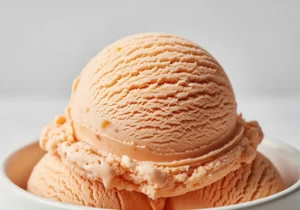

The preparation of the best recipes with fruit pulp simplifies operational processes, overcoming the delays of traditional homemade preparations. This processed raw material transforms a base ingredient into functional beverages and desserts for any gastronomic business. Consequently, modern industry prevents waste through packaging that omits the peeling or blending of daily fresh harvests.
Agribusiness encourages this intelligent management by providing fruit bases ready for use in multiple pastry creations. As a result, franchises manage to standardize exotic flavors through an optimization of their technical resources. The integration of these concentrates elevates the perceived quality of the menu without a significant increase in the initial financial investment.
What are the best recipes with fruit pulp?
Frozen preparations and thick smoothies lead the preferences of modern consumers in their search for quick and highly refreshing alternatives. Establishments achieve a diversification of their menus through artisanal popsicles and nutritious sorbets using the same base. Likewise, the incorporation of bases like beverages with fruit pulp diversifies the morning offering in restaurants and hotel chains.

This operational flexibility facilitates the design of attractive commercial catalogs without the need for fresh fruits with unstable ripening. Therefore, this adjustment of daily formulations facilitates the reduction of purchasing costs when acquiring your fruit pulp.
Ideal combinations for profitable desserts
The versatility of these inputs allows the creation of products ranging from creamy mousses to attractive sweet toppings. Consequently, chefs combine tropical bases evaluating multiple options to enrich their commercial menus:
- Dairy bases: add volume and soften the natural acidity of strong citrus ingredients.
- Baked toppings: utilize stable purees to moisten corporate sponge cakes and pies (Berry, 2024).
- Sweet and sour sauces: balance savory dishes through concentrates that highlight premium meat cuts.
- Cold desserts: structure gelatins and parfaits with visually very attractive colored layers.
Indeed, the success of the best recipes with fruit pulp requires innovative testing. Brands provide high-technology inputs to facilitate the creation of new recipes with fruit pulp.
Evaluate the best recipes with fruit pulp and mango
Mango works exceptionally well in creamy textures due to its natural sweetness and low proportion of retained water. In fact, ice cream factories utilize this yellow ingredient in sorbets and popsicles free of annoying ice crystals. Similarly, a restaurant can prepare mousses through the mixture of heavy cream and unflavored gelatin to structure attractive glasses (Chapman, 2021).
The utilization of this tropical fruit avoids climatic dependence, offering impeccable visual consistency all year round. The understanding of these preparations protects the economic investment of production plants focused on rapid operational scalability.
Profitable options formulated with passion fruit
Passion fruit provides a vibrant acidity that contrasts perfectly with fat-rich bases. Certainly, knowledge about how to make passion fruit juice with pulp inspires developers to design these menus:
- Structured mousses: require few gelling agents due to the natural density of the processed product.
- Thick sauces: accompany fish and poultry cuts, offering a very attractive differential aromatic touch.
Therefore, the replication of the best recipes with fruit pulp requires meticulous control of Brix degrees. This standardization of exotic mixtures attracts consumers interested in intense and novel culinary experiences.
Design the best recipes with fruit pulp using red berries
Strawberries and blackberries provide intense reddish pigmentations that instantly improve the presentation of any displayed dish. Corporate pastry chefs produce fluid coulis to glaze cheesecakes and desserts served in transparent glasses. Consequently, sugar measurement is vital when some raw materials already include sweeteners from the processing factory.
The incorporation of these red fruits creates homogeneous toppings free of annoying seeds that alter the tasting experience. Furthermore, the use of these fruit bases prevents the accelerated oxidation typical of decorative preparations featuring whole ingredients.
Tropical alternatives using soursop
Soursop possesses a soft fibrous structure that notably enriches the mouthfeel of corporate desserts and beverages. Ice cream industries take advantage of this quality for the production of creamy mixtures with an authentic aroma without synthetic essences. Certainly, the best recipes with fruit pulp featuring exotic flavors require stable bases against prolonged extreme freezing processes (Grimes, 2025).
Many establishments combine this white variety with heavy dairy products in the creation of traditional beverages with unique velvety textures. As a result, the standardization of these culinary processes elevates daily productivity, reducing financial losses in any modern kitchen.
How to choose the best recipes with fruit pulp?
The selection of the ideal formulation depends strictly on the sensory profile and the technical equipment available in your operational area. For example, facing a commercial goal of quick morning beverages, the combination of tropical options with yogurt accelerates service significantly.
In contrast, the elaboration of parfaits and gelatins demands controlled refrigeration times for the correct setting of textures. Professional mixology also utilizes concentrated purees for the intensification of aromatic profiles in mixed drinks (Selinger, 2026). The evaluation of these physicochemical characteristics allows the assignment of appropriate ingredients toward highly profitable business lines.
Techniques to adjust acidity and texture
A perfect balance demands testing different proportions between liquids and diluted solids. Therefore, experts apply these basic adjustments during the development of new mixtures:
- Leveling sweetness: tasting the initial raw material prevents the excess of unnecessary sugars in the final formula.
- Correcting textures: the use of crushed ice or cold dairy improves the consistency of beverages and shakes.
- Diluting concentration: the incorporation of filtered water facilitates the creation of refreshing juices without overshadowing tropical tones.
- Balancing acidity: mixing with dairy creams reduces the stridency of the most citric fruits.
- Adding color: the addition of red berries increases the visual appeal of pale preparations.
Undoubtedly, the application of these techniques helps formulate commercial best recipes with fruit pulp. Ingredient providers support these industrial developments through the delivery of consistent bases for your entire corporate line.
Conservation for the best recipes with fruit pulp
The storage of finished preparations requires cold protocols distinct from those required by the original packaged raw material. In fact, a sweet sauce or a pastry filling possesses short shelf lives due to the incorporation of additional dairy elements. Likewise, operational manuals must specify maximum display times for the biological prevention of harmful microorganisms.
The use of hermetic bags protects against cross odors during the holding of multiple fruit mixtures within the refrigerated room. The strict compliance with these sanitary regulations prevents food poisoning and protects the commercial prestige of gastronomic brands.
Efficient uses of aseptic and frozen inputs
The correct thawing of fruit blocks is vital for the intact maintenance of their original nutritional properties. Similarly, factories optimize their inventories through the management of aseptic inputs with these logistical steps:
- Constant rotation: the application of FIFO methods prevents the expiration of stored batches.
- Safe fractioning: the division of large containers encourages the use of small portions without altering the cold chain.
- Room temperature: the storage of closed aseptic bags eliminates excessive electricity expenses in the main warehouse.
Ultimately, the knowledge of these formats allows executing the best recipes with fruit pulp without the generation of waste. This technical efficiency produces higher revenues and stabilizes the long-term business model for institutional clients.
The best recipes with fruit pulp in savory gastronomy
Culinary creativity transcends desserts through the incorporation of tropical purees into high-cuisine savory menus to generate contrasts. Marinades with citrus touches help tenderize robust meat cuts while impregnating very attractive exotic aromas. In fact, several renowned chefs mix yellow fruits with strong spices for ideal dressings in fresh salads and curries (Thou, 2024).
These applications demonstrate the extraordinary versatility of fruit bases in the renovation of entire traditional catalogs. Consequently, this exploration of gastronomic fusions captures the attention of audiences willing to make justified premium payments.
Scale your commercial model with premium ingredients
The design of profitable menus requires strategic alliances with providers capable of understanding the rigors of scale production. Standardized inputs allow the replication of identical flavors in every branch regardless of the producing country’s agricultural season.
Consequently, factories can consolidate their sales by expanding horizons toward new commercial audiences. On the other hand, innovating with the best recipes with fruit pulp requires working with certified raw materials under high standards.
We invite you to contact the experts at Alimentos SAS: facilitate your quotes for reliable industrial batches and partner with us for your next successful launch.
References
- Berry, D. (2024). Adding fruits and vegetables to formulations. Food Business News.
- Chapman, D. (2021). Mango and passion fruit mousse. Great British Chefs.
- Grimes, L. (2025). Super-easy fruit ice cream. BBC Good Food.
- Selinger, H. (2026). Roasted fruit purées are the key to bright, balanced cocktails. Food & Wine.
- Thou, S. (2024). Joys of the flesh: Eight delightful recipes to make the most of cheap mangoes. The Guardian.