
Learning what to do with passion fruit pulp helps transform simple ingredients into truly unique culinary preparations. Professionals deeply value this ingredient for its aromatic intensity and balanced acidic-sweet profile, making it fundamental for modern gastronomy. Below, you will find the best strategies to leverage this product in diverse culinary applications, maximizing overall output and quality.
What to do with passion fruit pulp: ideas for your preparations
You possess multiple ways to integrate this ingredient according to specific menu needs or your industrial production line requirements. Passion fruit contributes significant flavor and a chemical structure that allows chefs to play with textures and balances effectively. Some examples of preparations include:
- Quick items: for immediate consumer demands, you may prepare refreshing juices, tangy lemonades, or energizing smoothies with ease.
- Easy desserts: using the fruit in mousses, layered desserts in glasses, or chilled cheesecakes remains an industry confectionery standard.
- Baking: utilize the ingredient as filling, or create curds, glazes, or dense sauces to provide finishing touches to cakes.
- Savory dishes: passion fruit performs exceptionally well as a base sauce for chicken, fish, shrimp, or even for marinating wings.
- Business: for your company, possibilities include prepared drinks, portioned desserts, ice cream toppings, and various types of high-specialty sauces.
Easy drinks with passion fruit pulp
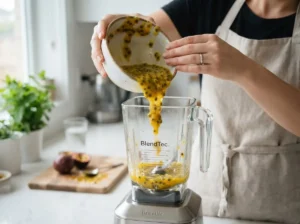
What to do with passion fruit pulp? Beverages represent the most common and profitable use of this ingredient within the market. To guarantee that you obtain rapid drinks with uniform consistency, we suggest using our long-life passion fruit pulp, designed specifically for daily operational ease.
- Passion fruit juice with prepared pulp: execute a precise dilution of one part pulp to three parts water, subsequently sweetening according to your establishment’s specific standards.
- Passion fruit lemonade: by combining this fruit’s characteristic acidity with fresh lemon juice, you achieve a complex, balanced citrus profile, perfect for hot days.
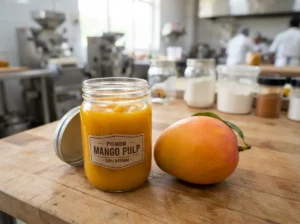
- Tropical smoothie with passion fruit, mango, or banana: processing the pulp alongside sweet fruits creates a creamy base and balanced flavor, transforming simple shakes into premium tropical drinks.
- Mocktail for restaurants or cafes: design highly attractive non-alcoholic options by adding carbonated water, fresh mint leaves, and a touch of simple syrup, elevating the final customer experience.
Desserts with passion fruit pulp
The aromatic intensity of passion fruit makes it an undisputed protagonist in professional pastry, where consumer demand for intense flavors remains constant. Consider these excellent dessert options:
- Passion fruit mousse: this dessert stands out for its lightness and freshness. Mix the fruit base with whipped cream and condensed milk to achieve a smooth, airy consistency and perfectly defined flavor.
- Chilled passion fruit cheesecake: the fruit acidity cuts perfectly through rich cream cheese fat. Apply pulp as a shiny coating if you desire a visually attractive and delicious finish.
- Passion fruit dessert with cookie and cream: this option works excellently for portioning into glass or transparent plastic cups, becoming a practical alternative for rapid sales at service points.
- Passion fruit popsicles or ice cream: freezing the mixture with the pulp generates a refreshing product with such intense flavor that it never loses organoleptic properties during storage.
- Sweet passion fruit sauce for ice cream, cakes, or waffles: reduce the pulp with sugar over low heat to achieve a versatile, shiny topping that adds perceived value to diverse items on your menu.
How to use passion fruit pulp in baking
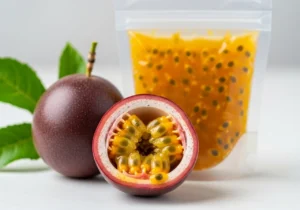
If you search for what to do with passion fruit pulp, you must understand technical pastry handling, which remains fundamental for successful results. The curd represents a superior technique to integrate fruit into sweet preparations without ever risking the intended texture.
- Integration in cakes: avoid mixing pulp directly into raw batter without prior formula adjustment, since excess humidity could alter the spongy structure of your sponge cake.
- Elaboration of creams or curds: opt for curd when seeking technical stability and an unctuous texture, ideal for fillings; cook the pulp with eggs, sugar, and butter at controlled heat.
- Use as filling, topping, or glaze: integrate concentrated fruit into white chocolate ganaches or mirror glazes; this technique ensures the passion fruit flavor remains vibrant, achieving professional-level finishes in your creations.
What to do with passion fruit pulp: savory sauces
Using this ingredient in savory dishes has recently gained ground in high-end cuisine. For recipes requiring strict portioning and rigorous kitchen control, it is ideal to use frozen passion fruit pulp, a product that allows exact dosage. Some preparations with this product are:
- Passion fruit sauce for chicken: combine fruit acidity with a bit of honey or brown sugar to glaze chicken breasts; the result is a sweet and sour dish that customers frequently request.
- Passion fruit sauce for fish or shrimp: this mixture represents a master technique for white fish or shellfish. Notice how natural acidity enhances marine flavors without overpowering the delicate protein.
- Passion fruit dressing for tropical salads: by emulsifying pulp with high-quality olive oil, salt, and pepper, you provide a vibrant, light dressing full of personality for salads composed of fruits and fresh leaves.
- How to balance acidity, sweet, and salt: this process requires constant adjustments; add sweetener gradually until acidity feels pleasant on the palate, achieving final equilibrium with a pinch of salt to highlight citrus nuances.
What to do with passion fruit pulp if it is too acidic?
Sometimes, the harvest presents higher acidity than usual, so you require specific techniques to standardize the final product successfully.
- Mix with other sweet fruits: combine the pulp with ripe banana, papaya, or pineapple, fruits that possess natural sugars which reduce acidity perception without requiring additional artificial additives.
- Use dairy to soften: integrating condensed milk, Greek yogurt, or heavy cream serves as an efficient technique, since milk fat coats the taste buds and softens the acidic impact on the palate, a technique widely used in dessert making.
- Adjustment with natural sweeteners: utilizing refined sugar, honey, or panela remains the most direct way to counteract a low pH, allowing you to adjust the formula according to the flavor profile sought by your public.
- Cooking and reduction: by subjecting the pulp to a controlled cooking process, a portion of the contained water evaporates, concentrating natural fruit sugars and transforming the intense acidic profile into a deeper, sweeter flavor.
Ideas with passion fruit pulp for sale
If you manage a gastronomic business, profitability and operational efficiency represent the pillars of success. For an option much more ready for immediate use in sweet drinks, we recommend our passion fruit pulp with sugar, a product that saves formulation time.
- Below, find some preparation ideas:
- Desserts in a glass: these products show high turnover, are easy to transport, and store well in display cases; you can optimize production processes by creating layers with different ingredients that provide texture.
- Juices and lemonades for the menu: by counting on a standardized input, you offer a permanent beverage selection that guarantees freshness in every service, ensuring a high, constant profit margin.
- Sauces for main courses: including at least one dish option with passion fruit sauce on your menu allows you to elevate your gastronomic proposal’s category, differentiating yourself from conventional competition.
- Popsicles, ice cream, and toppings: creating a line of artisanal ice creams based on pulp allows you to leverage the full intensity of the fruit, being products highly valued by customers who seek natural quality.
What to do with passion fruit pulp frozen or with sugar
The choice of raw material remains a decision that directly impacts your costs and final results. Our portfolio’s versatility allows us to cover every need of your industry.
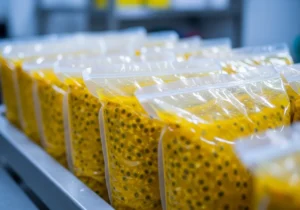
- Use of long-life pulp: this represents the recommended option when you seek efficiency and maximization of warehouse space, since it requires no cold chain before opening, which facilitates inventory management tremendously.
- Use of frozen pulp: you must choose this presentation when you require total control over your formulation; it is ideal for chefs and R&D departments needing to add their own ingredients to create exclusive and complex recipes.
- Use of pulp with sugar: this is the perfect solution for establishments needing absolute speed in drink preparation; by having the sweetness integrated, you eliminate preparation steps and ensure the flavor remains the same during every shift.
- Decision criteria according to recipe: for high-turnover juices, the option with sugar proves superior; for developing fine desserts, frozen pulp is preferable; for hot kitchen savory sauces, natural pulp usually remains the most correct technical starting point.
For companies seeking to scale their gastronomic offer, understanding what to do with passion fruit pulp represents the first step toward innovation. If you desire to start or improve your production, you can consult our website where to buy fruit pulp of the highest quality, with the necessary certifications for your industrial and commercial requirements.
Referencias
- Cookpad Colombia. (2021). Mousse de maracuyá y curd de maracuyá.
- Cocina Republic. (2023). Simple passion fruit juice (Jugo de maracuyá).
- Epicurious. (2025). Passion fruit curd.
- Epicurious. (2025). Passion fruit olive oil cake.
- Epicurious. (2022). Passion fruit recipes.